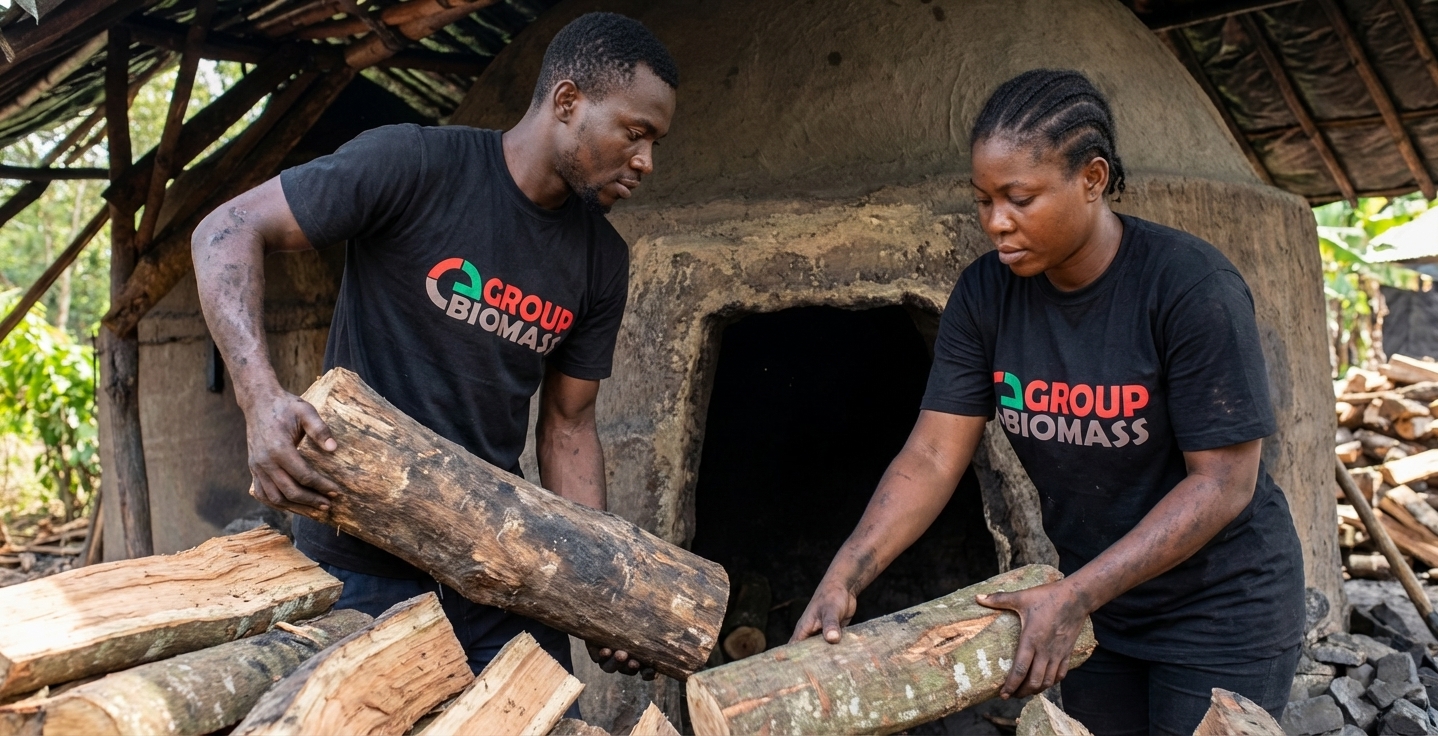
Despite growing concerns about deforestation, Cameroon is a notable charcoal industry, driven by need from both the nation. A unprecedented investigation reveals the scale of this business, centered on the nation’s biggest carbonized wood operation in the region. The complex offers work to thousands of workers and produces hardwood lump charcoal exporter massive volumes of wood-charcoal daily, primarily aimed for local application, also seeing growing shipments internationally. This raises important questions about environmental impact and the long-term tree resources.
Hardwood Lump Charcoal Export Rise: The Increasing International Footprint
Cameroon is rapidly establishing itself as a key player in the international charcoal market, experiencing a significant rise in hardwood lump fuel exports. Driven by increasing demand from global barbecue enthusiasts and industrial users seeking a cleaner alternative to traditional carbon, the country's abundant timber resources are being sustainably harvested and processed for export. This burgeoning industry presents a considerable opportunity for trade growth within Cameroon, though careful regulation of timber practices remains crucial to ensure long-term sustainability. The situation is leading to:
- Increased job opportunities in rural areas
- Enhanced logistics in exporting regions
- A growing awareness of Cameroon’s dedication to ethical sourcing
Experts predict this pattern will continue as demand for superior lump fuel continues its upward course.
Inside Cameroon's Premier Hardwood Lump Charcoal Factory
Step inside the doors of Cameroon’s top hardwood lump charcoal facility, a remarkable operation focused to creating high-quality fuel from sustainably sourced timber. The method begins with the meticulous selection of trees, primarily cultivated from managed woodlands. You'll see a team handling skilled artisans utilizing time-honored methods and cutting-edge machinery to change raw material into superior lump charcoal, meant for export and domestic consumption. Learn about the challenges and successes of this important industry in Cameroon.
This Biomass Business: Supporting Export Requirement and Community Needs
Cameroon's biomass industry represents a complex situation, balancing significant export need with vital local heating needs. Large quantities of wood-fuel are sent abroad, especially to Middle Eastern regions, producing substantial foreign earnings for the state. However, this export-driven system worsens deforestation and poses significant pressure on regional tree resources, influencing livelihoods and long-term development initiatives. Finding a balanced path that meets both foreign demand and guarantees access to low-cost energy for the people of Cameroon remains a key challenge for government and concerned groups.
La Choix Difficile: Lump Charcoal de Lignage Dur et Briquettes de Charbon: Le Perspective du Cameroun
En Cameroun, le choix entre le charbon de bois dur et les charbon briquettes est souvent un dilemme. Traditionnellement, le lump charcoal de lignage dur, tiré de l’arbre indigène, offre une arôme authentique et une saveur imprégnée de nos terroirs. Néanmoins, il chauffe bien sèches et peut devenir plus laborieux à contrôler afin de un incendie parfait. Les charbon briquettes, bien que à elles, sont plus faciles à allumer, brûlent plus longuement et génèrent moins de fumerolle, pourtant manquent de cette touche rustique.
Unlocking Cameroon’s Growth : The Hardwood Solid Fuel Advantage
Cameroon possesses vast forests, a resource that, when sustainably utilized, can fuel significant business progress. Specifically, targeting towards the production of premium hardwood lump charcoal presents a real pathway for generating revenue and employment opportunities. The worldwide need for this kind of charcoal, particularly within the cooking and manufacturing sectors, remains robust, offering a rewarding space for Cameroonian producers prepared to fulfill global requirements and implement eco-friendly practices.